

Ramadaan Health Tips
Ramadaan Health Tips
By: Mia Inc
The Suhoor meal is Sunnah and this early morning meal is generally recognized as the single most important meal of the day. Do not overeat, though. Focus on taking in foods that are rich in complex carbohydrates, protein, fruits or vegetables, and plenty of water. Eg: an egg on whole-grain toast, a few crackers with peanut butter, some orange slices, and two glasses of water.
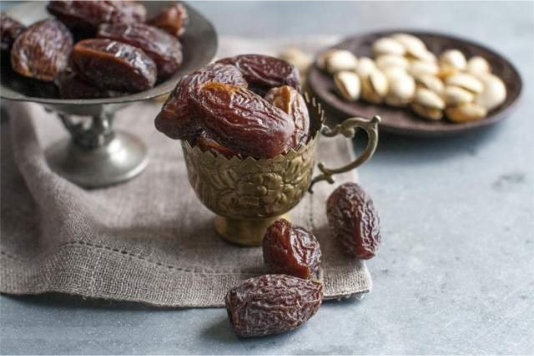
Avoid gorging yourself when breaking the fast at sunset. Follow the Sunnah: break your fast with dates and either milk, water, or fruit juice. After the Maghrib prayer, continue with a light starter such as haleem and crackers. After a long period of fasting, you need to bring your fluids and blood sugar level up without overdoing it. After Maghrib, have a healthy and balanced dinner. Do not overeat, and be sure to drink a few more glasses of fluids.
Do not eat desserts, fresh fruit and nuts too late. Sip on water throughout the evening. Aim for 6 / 8 glasses by bedtime & 2 in the morning. Light exercise, such as walking for 15-20 minutes, is best done in the evening.
Avoid fried and spicy foods as they may cause heartburn or indigestion. Try baking or air frying your savouries.
Health problems are likely to arise due to inappropriate diet, overeating or insufficient nutrition.
- Avoid processed foods, carbonated drinks and junk foods- e.g. chips, candy, as they are high in fructose, corn syrup, sodium, saturated fats and simple sugars. Consume whole grains, brown rice etc. and other complex carbohydrates in combination with protein especially during Suhoor that will help provide prolonged and sustained energy during the day.
- Know what foods hydrate you – water, fruits (water melon, orange, and an apple), fresh juices, fresh salads, coconut water. Bananas and dates provide energy, fibre and minerals and vitamins.
- Unfortunately you will have to avoid fried and salty foods.
- Try not to end the fast with a huge meal. This is likely to cause indigestion, heart burn, gastritis as would fried, fatty, spicy foods.
- Do not over eat.
- Avoid tea, coffee and other drinks that act as diuretics as they add to the dehydration during the period of fasting.
- Drink lots of water – try to sip in 6 / 8 glasses between Iftaar and bedtime and then 2 glasses at Suhoor.
Added health benefits of fasting in Ramadaan
- Ideal opportunity to ditch bad habits – Ramadaan is an ideal time to assist you to quit vices such as smoking and sugary food. As you abstain from them your body will gradually acclimatise to their absence. It’s also much easier to quit habits when you do so in a group, which should be easy to find during Ramadaan.
- Lower cholesterol & lasting appetite reduction – We all know that weight loss is one of the possible physical outcomes of fasting during Ramadaan. It has been found that people observing Ramadaan without overindulgence enjoy a positive effect on their lipid profile, which means there is a reduction of cholesterol in the blood. Low cholesterol increases cardiovascular health, greatly reducing the risk of suffering from heart disease, a heart attack, or a stroke. What’s more, if you follow a healthy diet after Ramadaan, this newly lowered cholesterol level should be easy to maintain.
- Detoxification – By not eating or drinking throughout the day time for a month; your body will have the chance to detoxify and rejuvenate. This also results in improved absorption of nutrients.
Eating together is a tradition back in the days of our Rasul (ﷺ). Eat slowly and enjoy the company. If you like something sweet, like a bowl of ice cream or dessert, then go for it. Be conscious and know you’ve made that decision that you want to eat that ice cream, and don’t simply eat it because you’re forced to. Balance and moderation is healthy for you.
We wish all our Muslim readers a blessed, healthy and peaceful Ramadaan.
Love Faheema & Zayboonisha Mia
Mia Inc – 011 852 2448
IG – miainc_fashionhairbeauty
